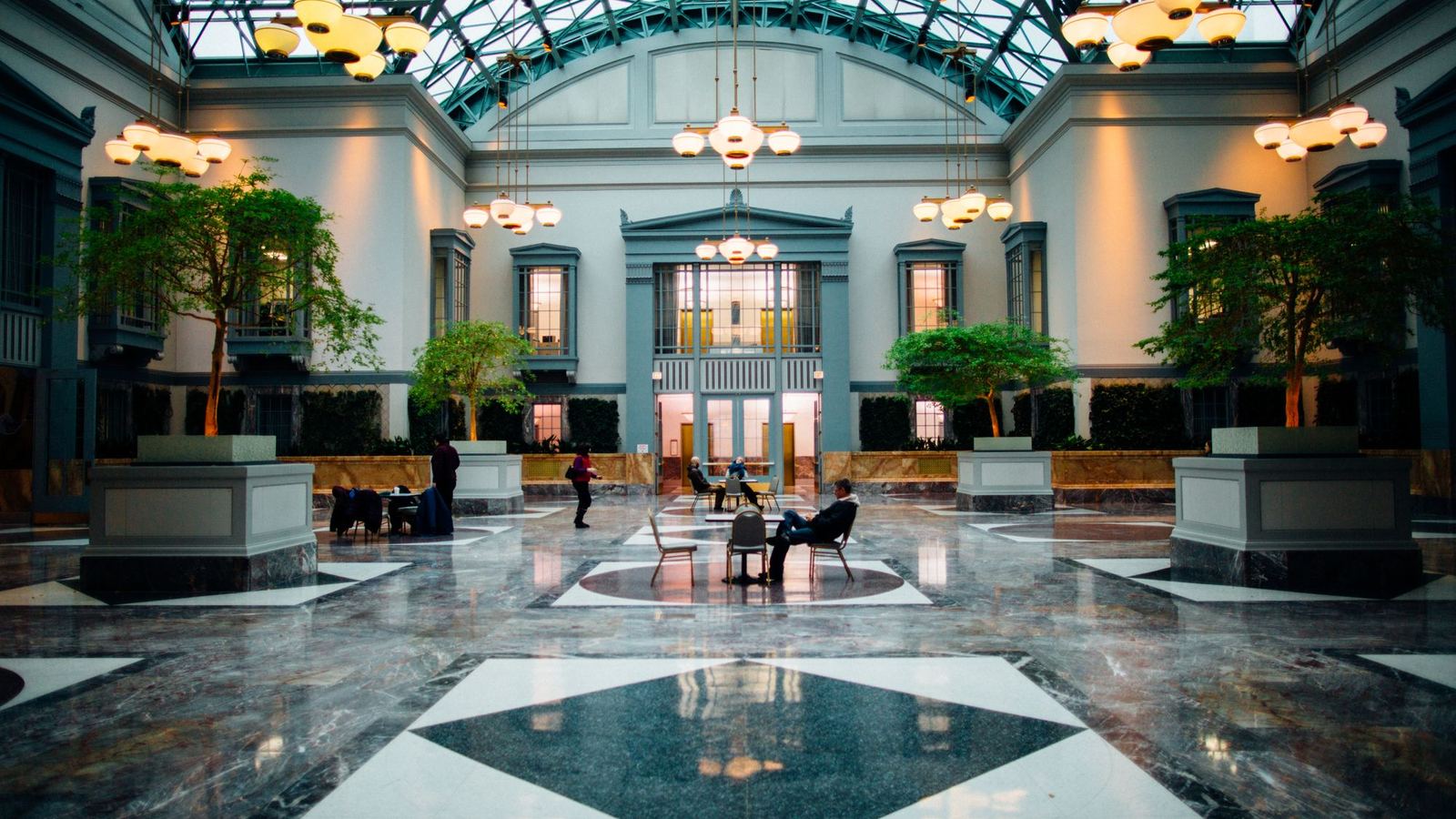
A guest deciding between two hotels is comparing feelings, not floor plans. Your photographs do the first part of that job. They earn the click and set the rate expectation, and we covered that ground in our post on why hire a hotel photographer. Film does the part stills cannot. It shows the stay: the arrival, the light moving through the lobby, the pool at the hour guests actually use it, the restaurant coming to life before dinner.
That is what a hotel videographer is for. Not a longer slide show, and not a drone circle of the building, but a short property film that lets a guest feel the place before they book it. Our service overview is on the hospitality hotel photography and video page. This post explains what the film adds, and how a shoot is planned around a working property.
What Film Shows That Stills Cannot
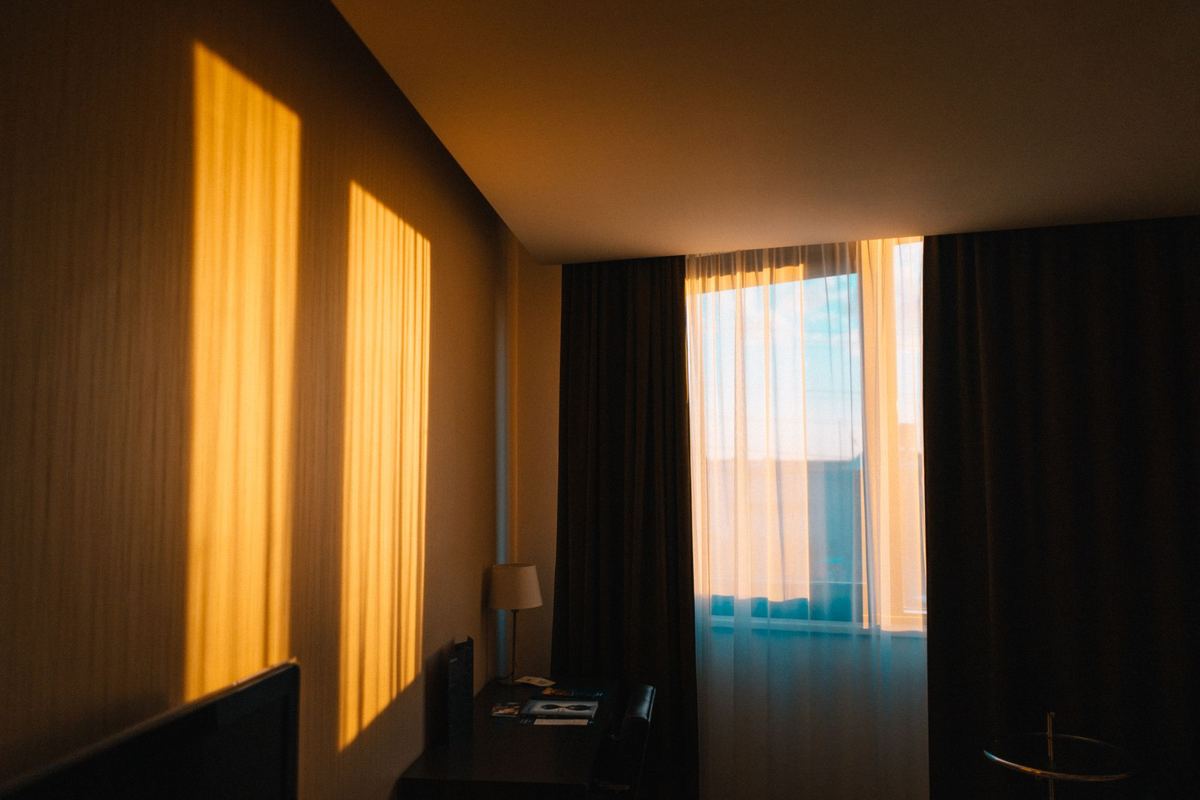
A photograph freezes the best second of a room. A film shows the room in time. The curtains move. The light changes across the bed. A guest crosses the lobby with a coffee while staff set the terrace for breakfast. None of that is spectacle. It is pace and atmosphere, and it is the part of a stay that guests describe to friends afterwards.
Film also shows scale honestly. A wide, slow move through a suite tells a guest more about its size than any caption can. A walk from the entrance to the pool, at real speed, sets an expectation the property can meet on arrival. That honesty protects you. A property film that presents the place as it is reduces the gap between the booking page and the check-in desk, and that gap is where bad reviews are born.
A guest deciding between two hotels is comparing feelings, not floor plans.
The Shots a Property Film Needs
Every property differs, but the working list is consistent:
- Arrival. The entrance, the approach, the first view a guest gets. This is the opening of the film and it sets the level for everything after it.
- Rooms and suites. Slow, steady movement, natural light first, lamps and evening light second. Rooms should look calm, not staged for a catalogue.
- Food and drink. A bar or restaurant only comes alive with people in it. Plan these shots for real service, with staff agreement, not in an empty room at noon.
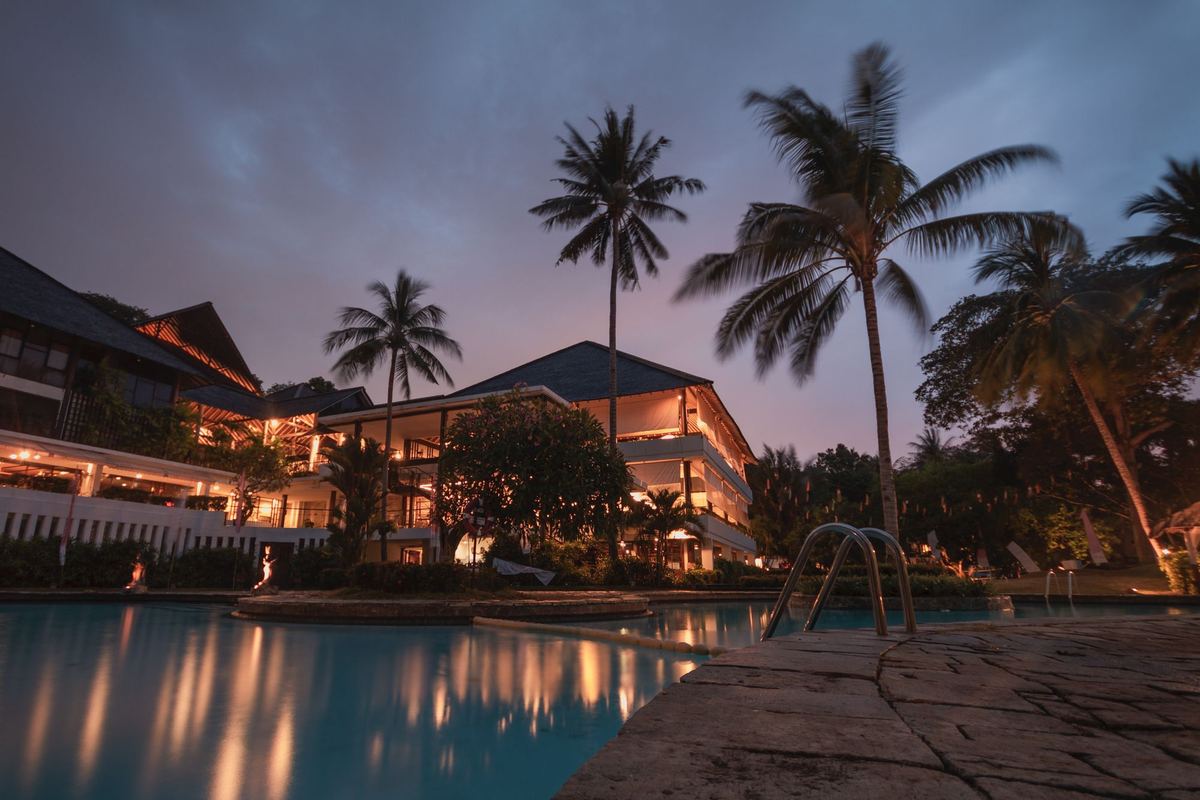
- Pool, spa, and grounds. Best at the edges of the day. Midday sun flattens everything and empties the spaces of guests.
- People. Staff doing their work well, and guests where releases allow. A property without people in frame feels closed, however good the architecture is. The same launch thinking we set out for a distribution center grand opening applies to a hotel opening: the building is only half the story, the activity inside it is the other half.
You can see this approach in the property work on our Riviera Maya hotel photography page, produced for Belmond Maroma, where the film and stills had to sell a stay defined by light, water, and quiet service.
Planning a Shoot Around a Working Hotel
A hotel does not close for a camera crew, and a good hotel videographer does not ask it to. The shoot is built around occupancy and service. Rooms are filmed between check-out and cleaning, or in a room held out of inventory for the day. Public spaces are filmed early, before breakfast service gathers pace, or in the quiet hour of the afternoon. Anything involving guests requires releases, arranged in advance, with a simple fallback: film the space, not the faces, wherever agreement is not in place.
Light runs the schedule more than the crew does. The lobby may be at its best for twenty minutes in the early evening. The pool may only work at dawn. A property film is often shot across parts of two days for exactly this reason, catching each space at its own hour rather than forcing one long day to cover everything at average quality. Speed matters on the day too. When a space becomes free for ten minutes, the crew has to be ready to use them, a habit that comes from live production work where there is no second take. It is the discipline behind our post on 24 hour Video Production, applied to a quieter setting.
One Shoot, Several Films
A property shoot should not produce a single file and stop. Planned properly, the same material cuts into:
- A hero film for the website, sixty to ninety seconds, sound on.
- A silent, captioned version for lobby screens and trade displays.
- Short vertical cuts for social channels, one per space: the pool, the restaurant, the signature suite.
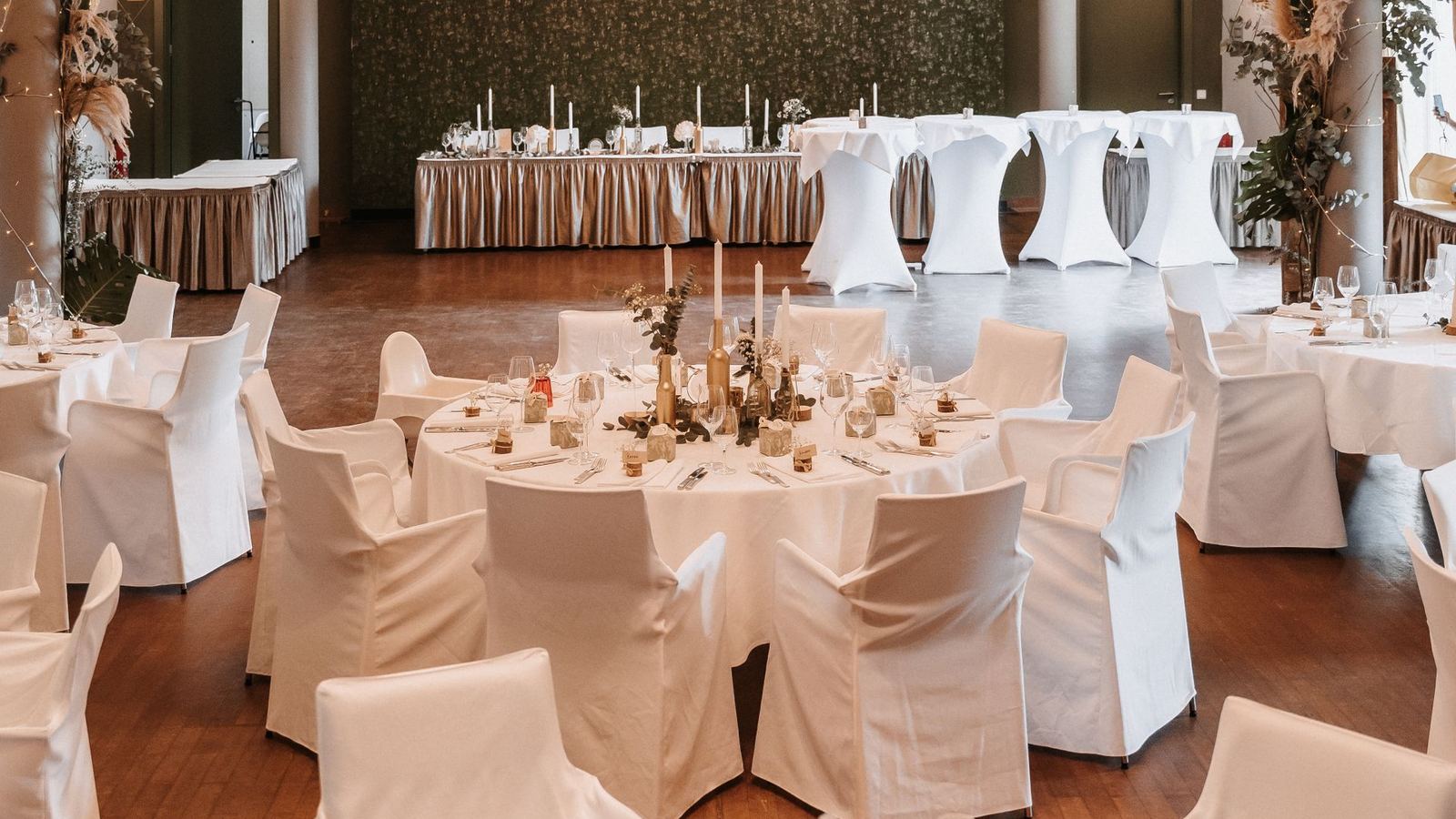
- An events cut for weddings and meetings business, where the same property is being sold to planners instead of guests. That version leans on our event Video Production work and shows set rooms, not empty ones.
Each version has its own audience and its own job. The website film sells the stay. The events cut sells the space. The vertical cuts keep the property present in a feed between booking decisions.
Questions to Ask a Hotel Videographer
- How do you plan the shoot around occupancy and service times?
- Will the same shoot give us stills and film that match each other?
- How do you handle guest releases, and what do you film when a guest declines?
- What versions do we receive, and are vertical cuts included or extra?
- Have you filmed a property at our level before, and can we see a full film, not a reel?
Start a Conversation
Red Passage is a Georgia based visual communications studio in Newnan. Our hospitality work includes Belmond Maroma and The Kessler Collection, and our founder’s background is set out in the creative background behind Red Passage. We bring the same standard to large scale work, from property films to the permanent photographic installation at the Savannah Convention Center. If your property is ready to be seen in motion, not just in stills, Start a Conversation.