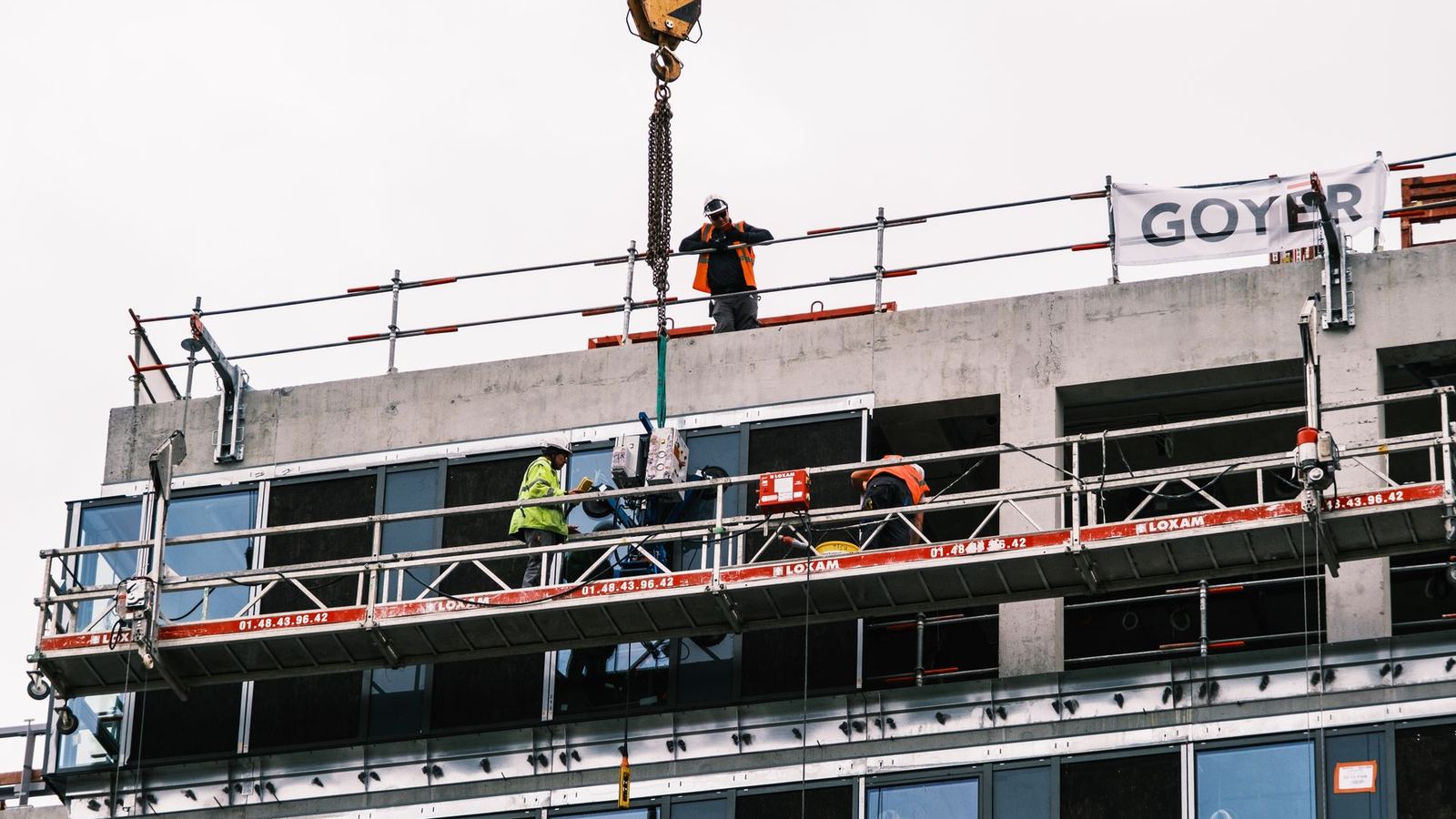
A warehouse job posting looks like every other warehouse job posting. Same shift times, same pay range, same list of requirements. An applicant deciding between three facilities on the same corridor has almost nothing real to compare.
Video changes that comparison, because it shows what a posting cannot: the building, the pace, the supervisors, and the people an applicant would actually work next to. A warehouse recruiting video will not fix a pay problem or a location problem, and no honest producer should promise it will fill your shifts on its own. What it does is remove the unknowns that make good applicants skip your posting and choose the facility they can picture themselves in. For the wider service picture, see our industrial, manufacturing, and logistics Video Production page.
Show the Shift as It Really Is
Applicants distrust recruiting footage that looks staged, and warehouse workers spot staging fast. A spotless aisle, a brand new vest on every person, and a supervisor reading lines will read as fiction to anyone who has worked a floor.
Film a real shift. Record the receiving dock in the morning, the pick and pack flow, the stretch break, the team lead running the huddle. Show the equipment applicants will use and the pace they will keep. Honest footage filters in the right people and filters out the wrong ones before they cost you a first week of training. That honesty is the same discipline behind good operational documentation, which we set out in our warehouse photo documentation checklist.
Put Real Employees on Camera
Supervisors and HR staff can describe a job. Only the people doing it can make it believable. Short interviews with current employees carry a recruiting video:
- A picker explaining how they learned the system and how long it took.
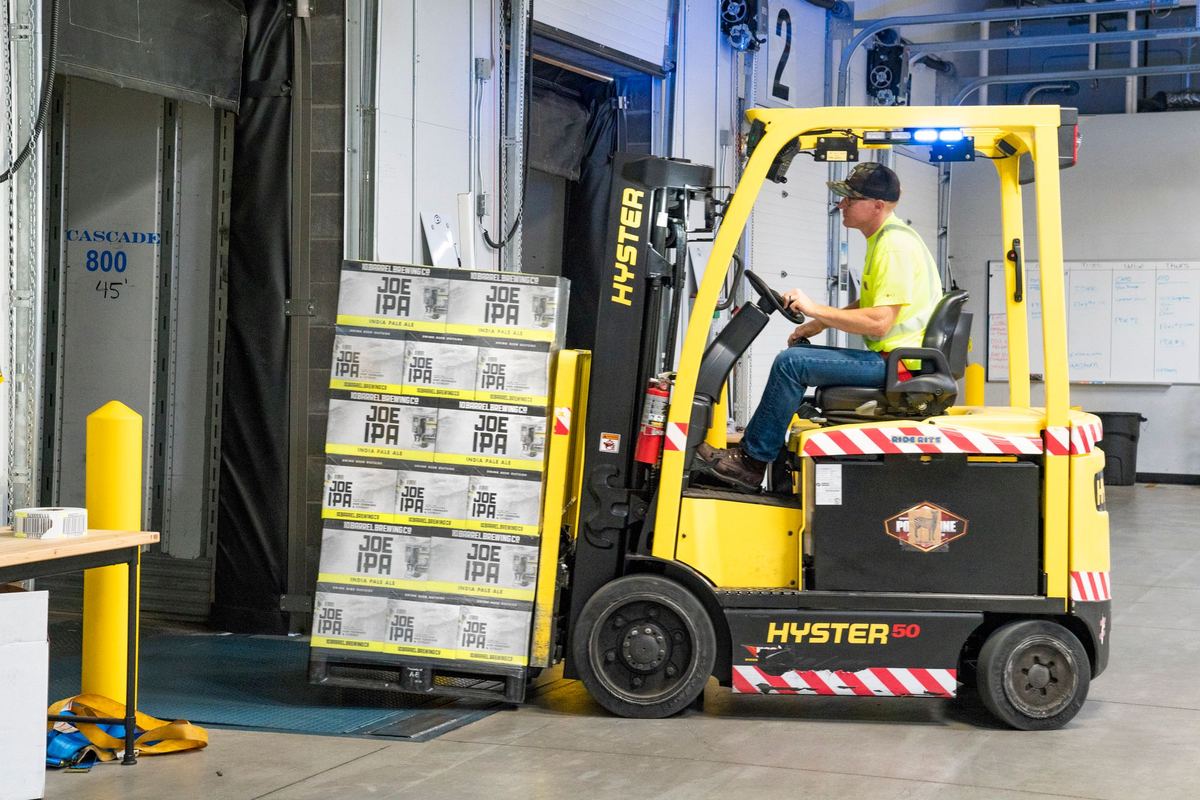
- A forklift operator talking about the equipment and the safety culture.
- A team lead describing how people move up from entry level roles.
- A recent hire, a few weeks in, saying what surprised them about the job.
Keep each person to a few plain points. Do not script them. Ask what they tell friends who ask about working there, and let them answer in their own words. Short, plain answers from real staff do more for an applicant than any narration, which is a lesson construction companies have also learned. Our post on recruiting videos for construction companies makes the same case for a different trade.
Film in the Language Your Workforce Speaks
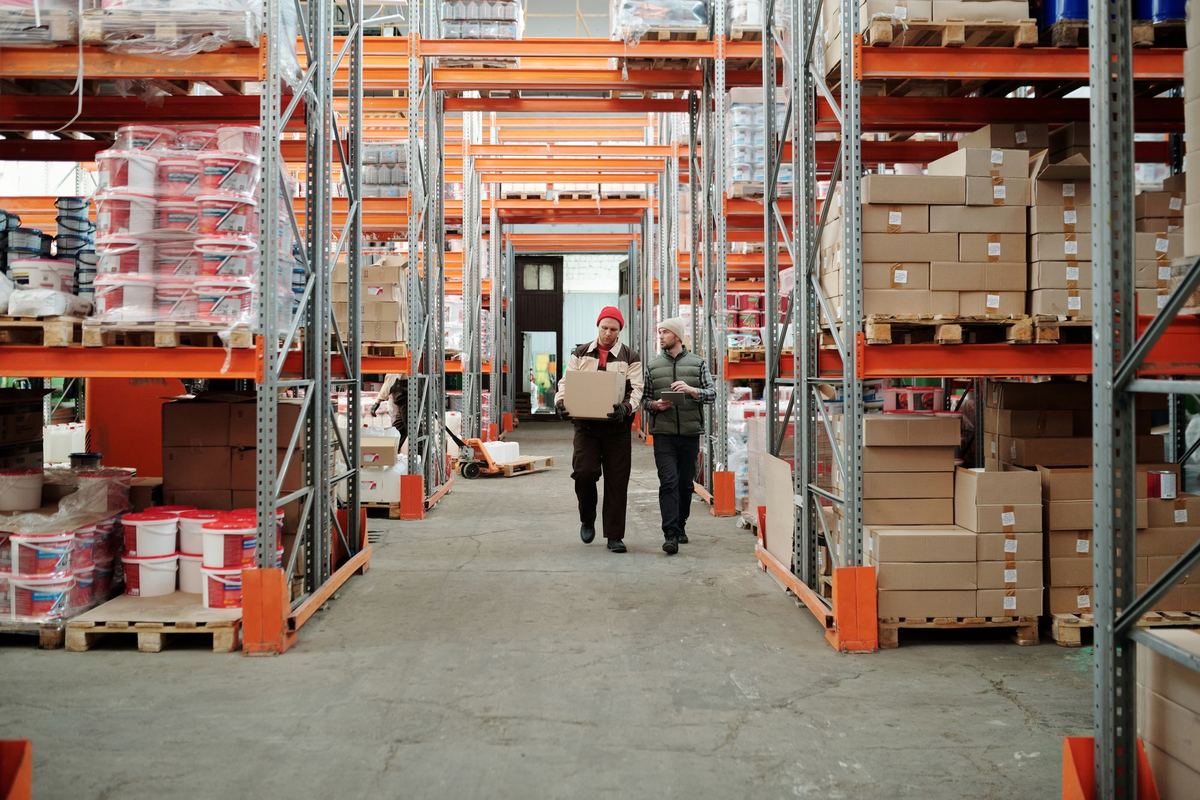
Many Georgia warehouse teams work in English and Spanish side by side. If your floor runs bilingually, your recruiting video should too. A Spanish version recorded with the same care as the English version tells applicants they will be trained, briefed, and supervised in a language they fully understand.
This is a production decision, not a translation errand. Captions added later do not carry the same weight as a supervisor speaking Spanish on camera. We explained the principle in our post on why a bilingual video production crew matters for safety and recruiting, and it applies from the first interview question to the final edit.
Honest footage filters in the right people and filters out the wrong ones before they cost you a first week of training.
Cover the Questions Applicants Actually Ask
A warehouse recruiting video earns its keep by answering the questions that decide whether someone applies:
- What does the building look like, and how big is the operation?
- What will I do in the first week, and who trains me?
- What are the shifts, the breaks, and the overtime pattern?
- What does the work pay attention to: speed, accuracy, safety, all three?
- Is there a path from this role to a better one?
A distribution center video tour answers the first question well, and tour footage can be planned into the same shoot day as the recruiting interviews. The rest of the answers belong to your people, on camera, in short segments your recruiting team can also send one at a time to applicants mid process.
Use the Footage Past the Job Posting
Plan the shoot so one day of filming produces more than a single video. The main recruiting cut belongs on your careers page and job postings. Short employee segments belong on social channels and in follow up messages to applicants who have gone quiet. Training and safety material recorded the same week can support onboarding later, which is where our training and educational Video Production page connects. The logistics showcase videos page shows how facility footage also serves sales, once it exists.
Keep Your Warehouse Recruiting Video Current, or It Works Against You
A recruiting video has a shelf life, and an expired one does damage. If the footage shows an old layout, old equipment, or a team that has mostly turned over, applicants who tour the building notice the gap, and the video starts to read as a promise the facility does not keep. Review the finished cut once a year. Replace segments when the operation changes in ways an applicant would see on day one: a new automation line, a rebuilt break area, a different shift structure. Plan the original shoot with that review in mind. Interviews recorded as separate short segments are easy to swap out. One long piece with every message woven through it has to be reshot whole, at full cost, so build the first version in pieces you can maintain.
Start a Conversation
Red Passage is a Georgia based visual communications studio in Newnan. Our work includes Video Production for logistics companies, and we produce commercial Video Production for organizations with real operations to show. If your postings are not bringing in people who stay, show them the job first. Start a Conversation and tell us which roles are hardest to fill.